Commercial Roofing in Harrisonville, MO
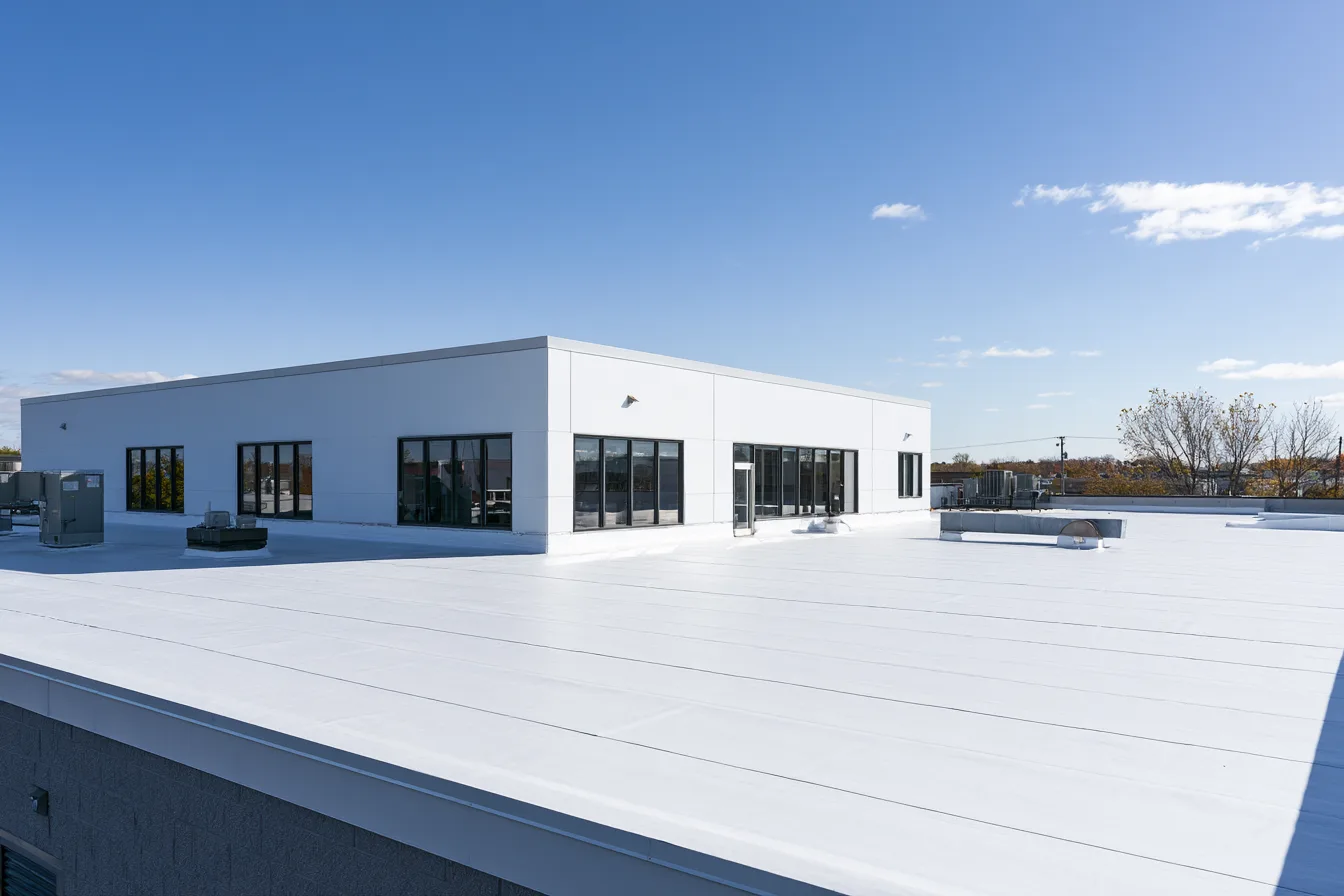
A commercial roof decision has to account for the building beneath it. The system, drainage and insulation condition determine whether a focused repair, restoration or replacement is useful.
Find the break in the roof system
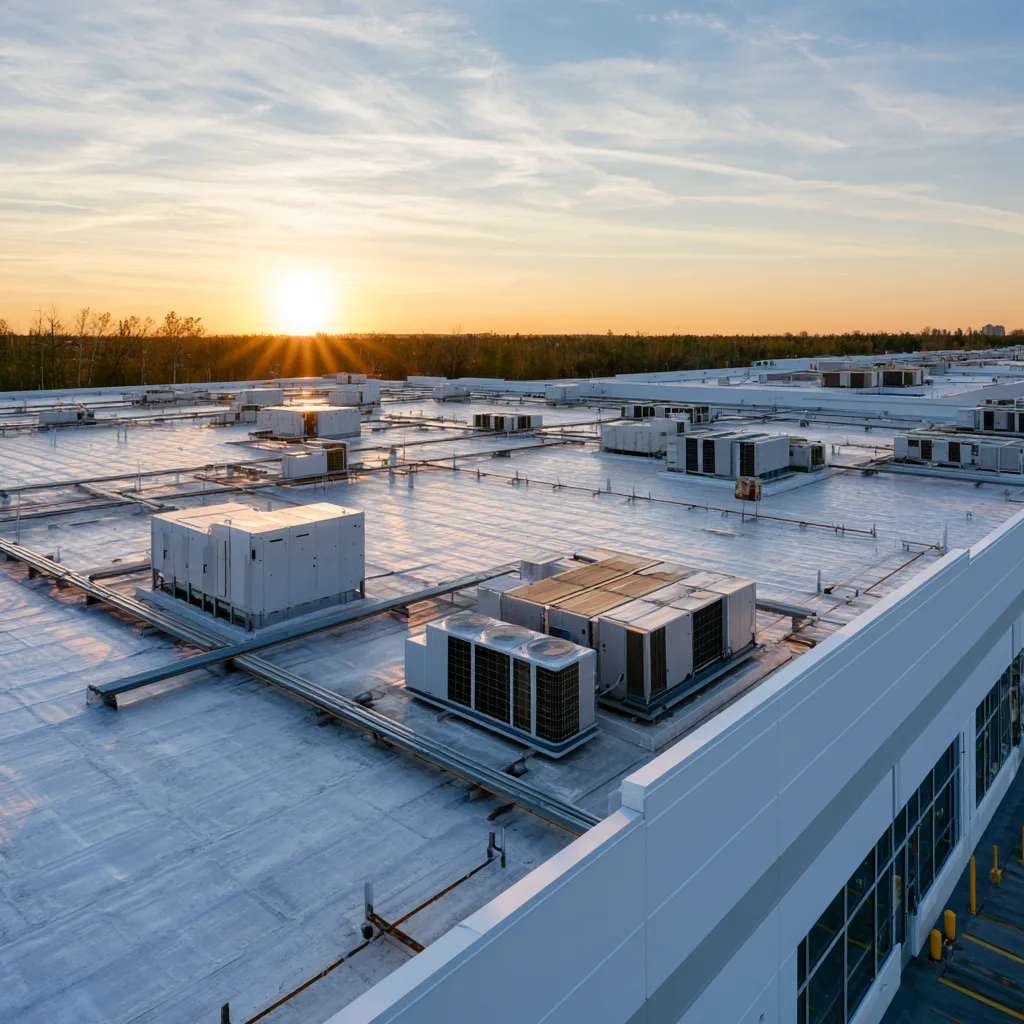
Low-slope roof inspections concentrate on seams, perimeter edges, drains and penetrations around equipment. Water found indoors can originate away from the stain. Wet insulation and trapped moisture affect the repair area and the suitability of a coating; an intact-looking surface does not establish a dry assembly.
TPO, EPDM and roof restoration choices
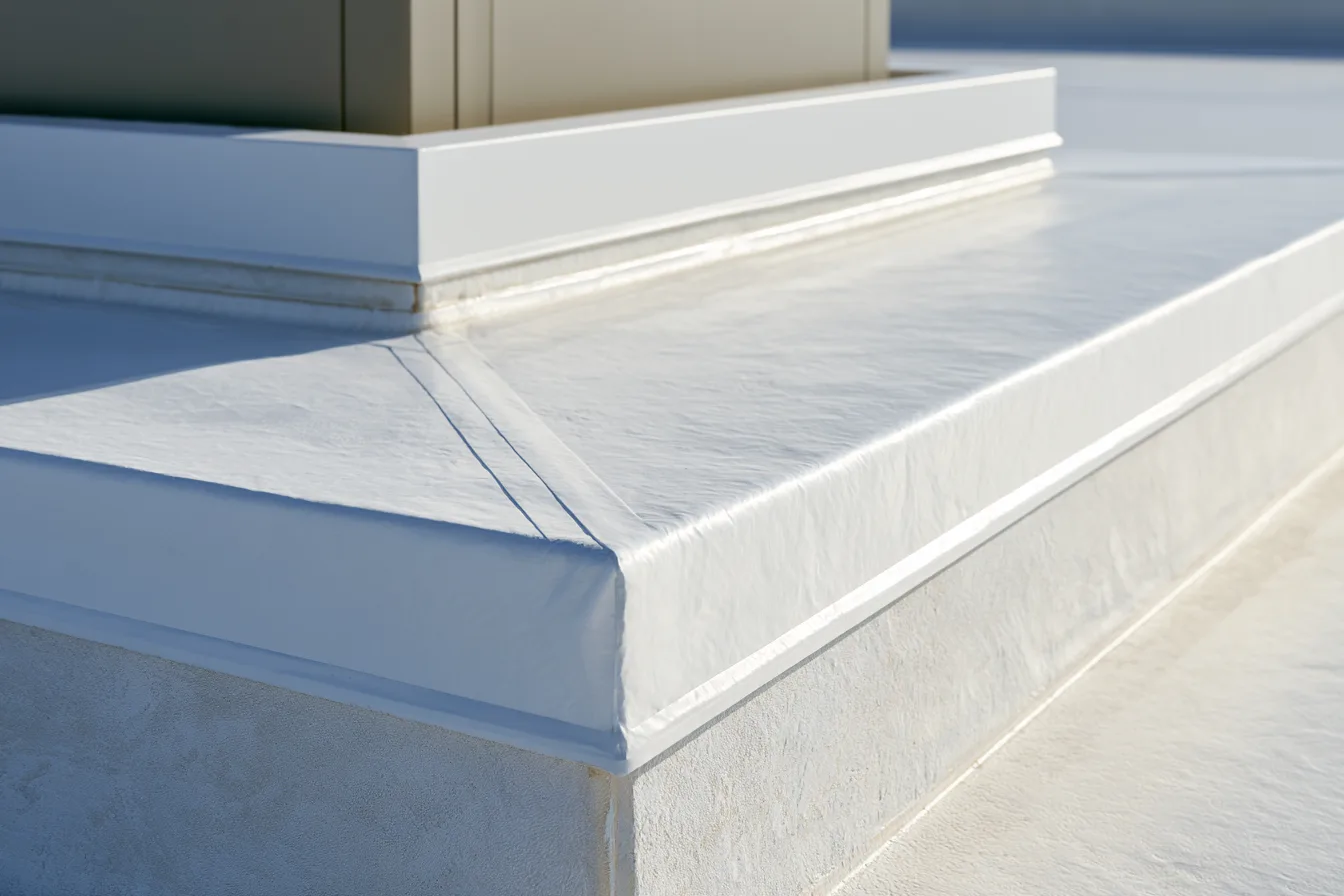
TPO uses heat-welded seams and compatible detail membranes around curbs. EPDM is a rubber membrane with seam and flashing systems that require appropriate preparation and materials. Coatings restore a suitable existing surface but do not remove wet insulation or rebuild an unstable substrate. Each system needs its own assessment.
Single-ply repair
TPO welded seams and EPDM seam bonds need compatible detail repairs into serviceable membrane.
Restoration limits
Coatings need a stable dry base. They do not remove wet insulation or correct loose attachment.
Commercial roofing systems and work
Select the system question that fits the building.
Plan roof work around occupants and equipment
Rooftop equipment, delivery areas and tenant entrances affect access and staging. Drain routes need protection during work, and equipment connections involve the appropriate trade. A building owner needs the repair limits and any discovered wet areas understood before work is expanded.
Commercial roof budgets start with assembly condition
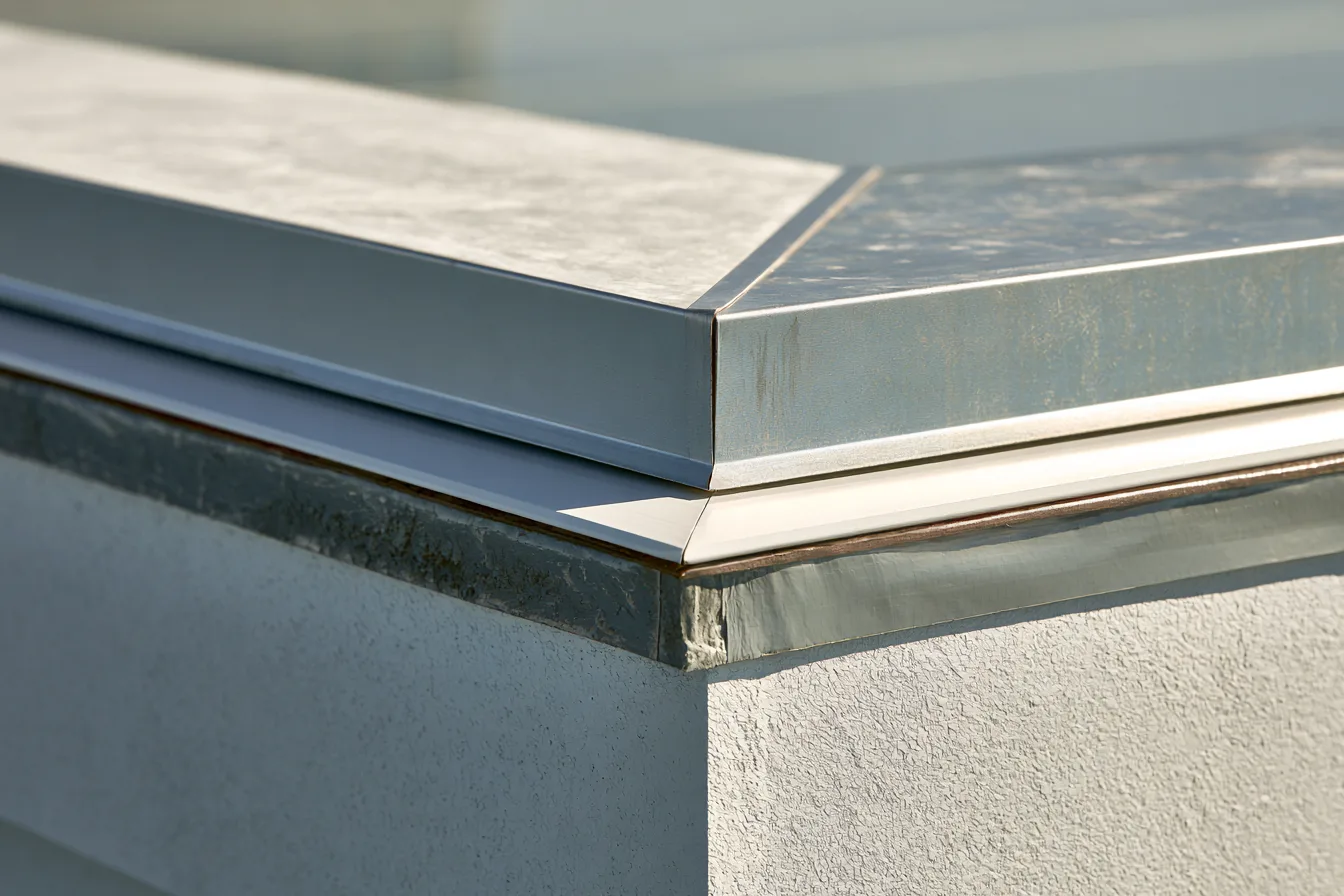
Roof size, removal layers, insulation, attachment and drainage changes influence the project. A coating-only plan is a different scope from removing a wet roof and rebuilding the insulation. The residential asphalt calculator does not price these systems.
Repair and restoration scope
Preparation, compatible materials and the condition of retained insulation determine the work.
Replacement scope
Removal layers, insulation, attachment, drainage and equipment details affect labor, disposal and materials.